


Wulpen WWTP, West Flanders, Belgium – Operating Groundwater Augmentation, supplying four coastal towns
As the drinking water demand increased from 10.4 million litres a day in 1980 to around 15 million litres a day in 1990, exceeding the capacity of the dune water catchments of the Intermunicipal Water Company of the Veurne area (IWVA), now Aquaduin, it was decided that alternatives should be developed. Artificial recharge of the unconfined aquifer of the dunes of St-André (Koksijde) was the selected solution. Effluent from a nearby wastewater treatment plant was selected as the source for the production of infiltration water.
The scheme is based on the multiple barrier approach (ultrafiltration prior to reverse osmosis) and became operational in 2002.
Groundwater extraction decreased from around 10.6 million litres a day in 1990 to 4.5 million litres a day in 2022, resulting in the rise of groundwater levels. This enhanced the natural values and will prevent over the longer term, the rise of sea levels enhanced by climate change.
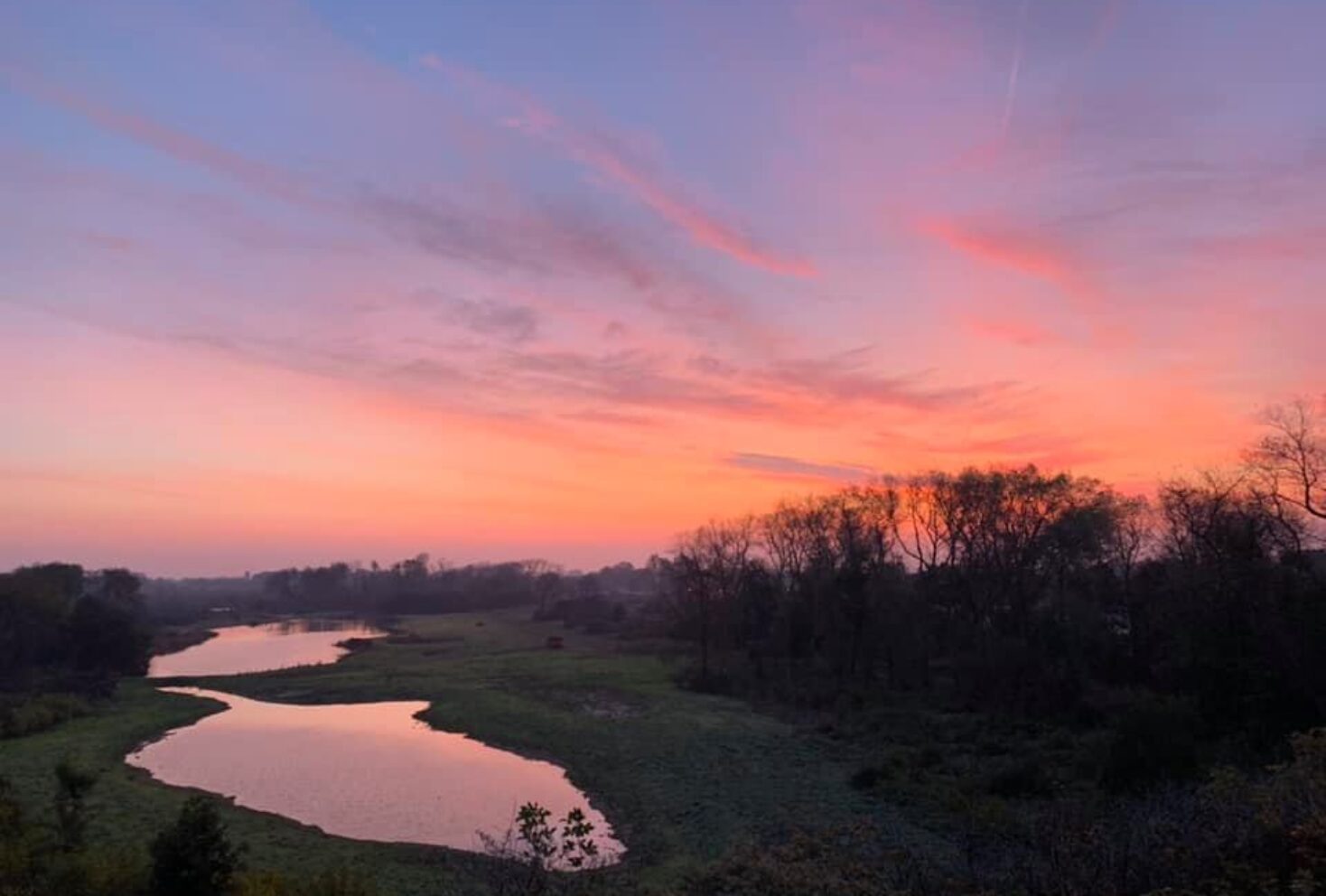
The combination reuse/managed aquifer recharge resulted in higher groundwater levels and enhanced natural and ecological values. Typically, around the infiltration pond wet grasslands emerged and consequently typical plants like Orchids and Parnassia are back in the dunes. They disappeared over 50 years ago. The higher groundwater levels also strengthen the barrier against seawater level rise and thus mitigate this effect of climate change. The system proved its robustness during the longer periods of drought that we suffered since 2017.
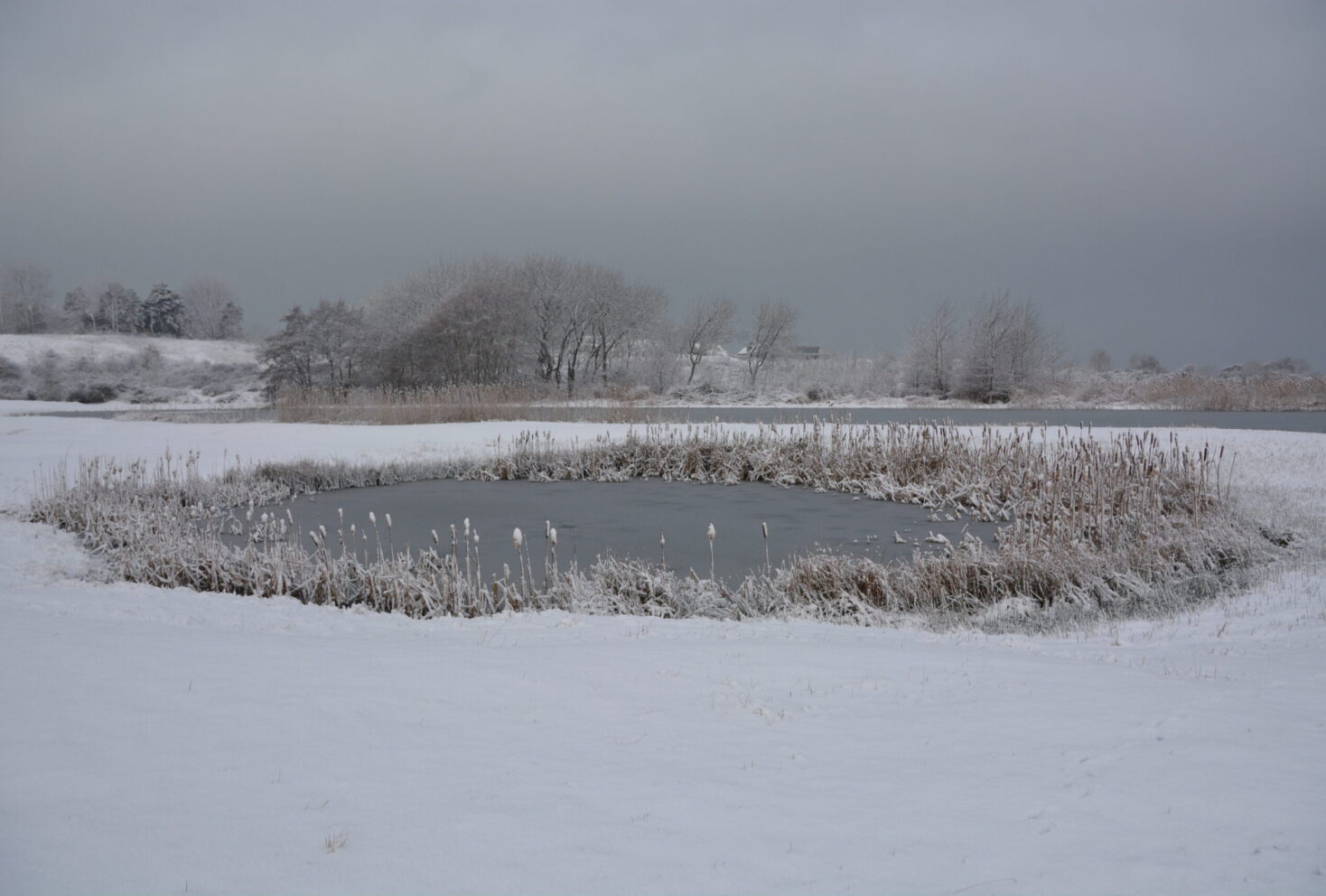
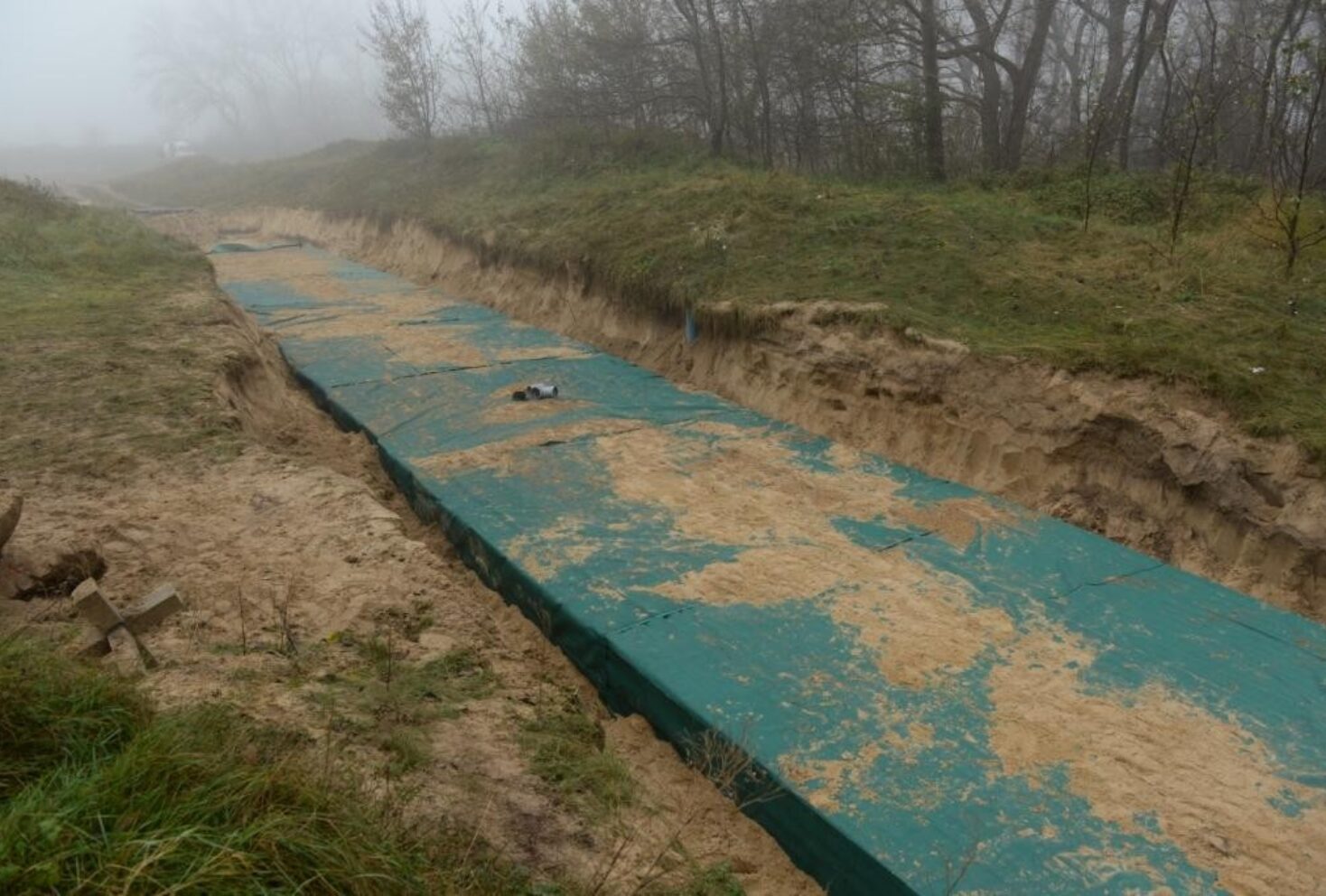
In 2014 subsurface infiltration was added to the open pond, increasing the capacity of the infiltration. In 2018 the surface area of the pond was increased and an additional pond was taken into production.
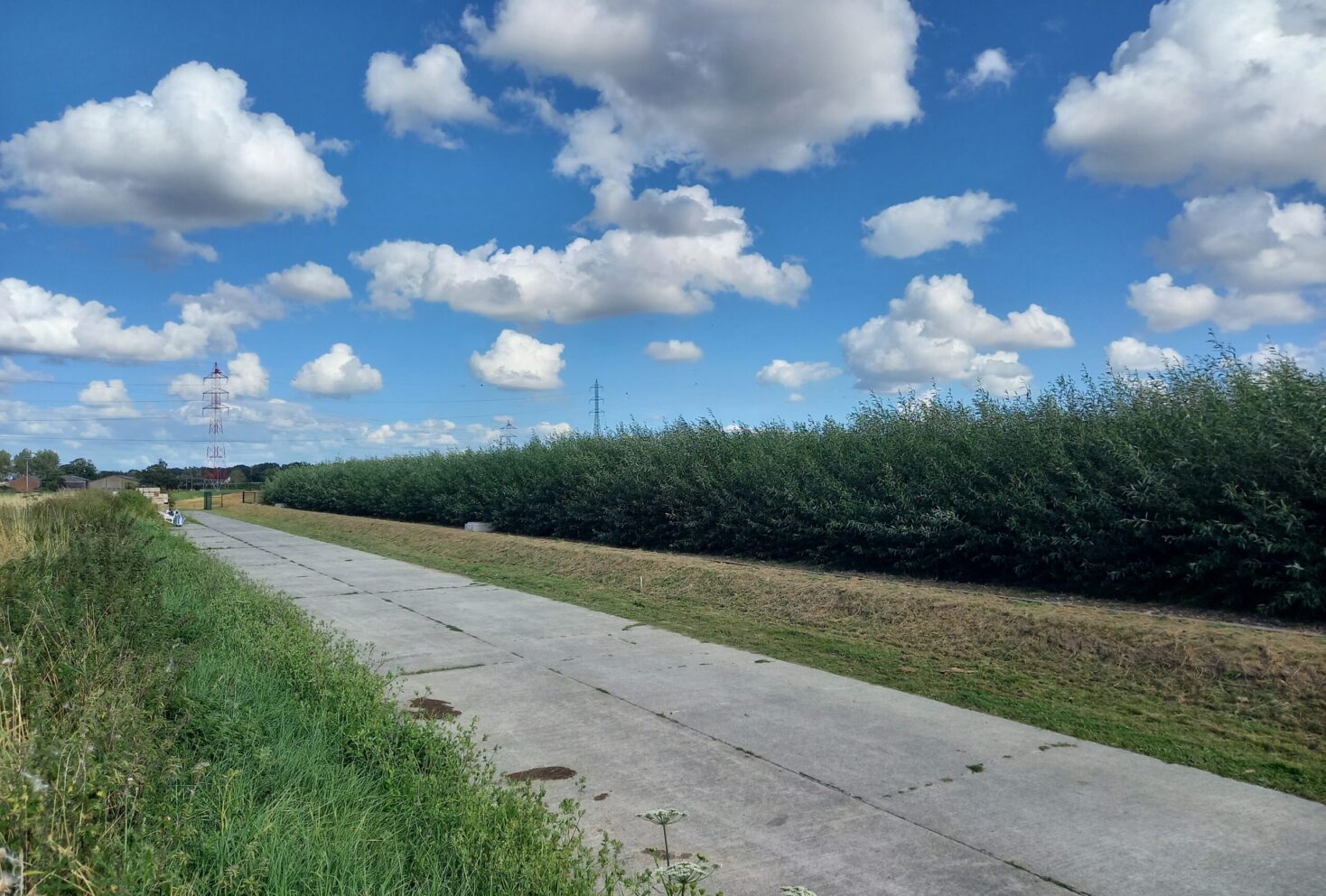
At the beginning of 2022 a Nature Based Solution, using willows, was implemented. The concept is a horizontally constructed wetland combined with short rotation coppice using willows. The willow species used, Salix x rubens, was selected based on its salt tolerance. This Nature Based Solution treats the reverse osmosis brine concentrate. The hydraulic retention time amounts to 1 day. In November 2025 the willows were harvested for the first time and this biomass was used for energy production. The first tests with biochar, produced out of this biomass, were not positive but in the coming years Aquaduin will continue research with academic partners. In 2025 the average removal for total nitrogen, the main purpose of this Nature Based solution, amounted to 42%. It was also observed that concentrations of some specific organic micropollutants (atenolol, gabapentine, iopromide) were reduced by up to 80% and more.
Currently 50% of the drinking-water provided by Aquaduin is a result of the combination reuse/managed aquifer recharge.
Near St-André, the visitors centre ‘De Doornpanne’ offers information about the scheme and the natural values of the dunes.
Torreele’s innovative Willow Marsh – a nature based solution to cleanse brine for return to the environment
