Aigües de Barcelona, Catalonia, Spain – building a demonstration plant to explore direct potable reuse in future
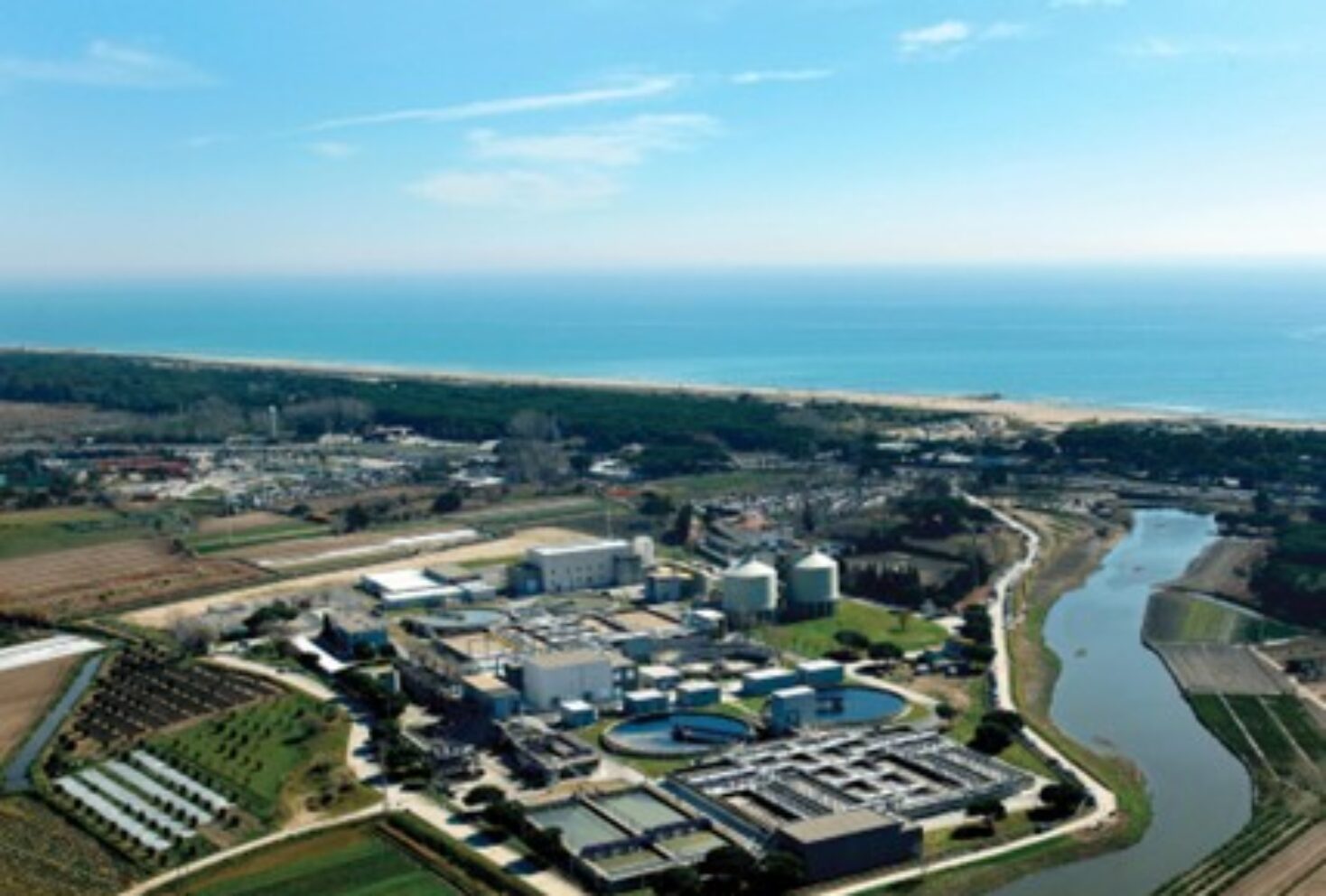
The Barcelona metropolitan water deficit could reach 130 cubic hectometres by 2027 if urgent action is not taken. During the recent drought episode, regenerated water from the Baix Llobregat Water Regeneration Station was pumped upstream in the Llobregat River to a point where it was added to the river flow as pre-potable water, allowing the Sant Joan Despí drinking water treatment plant to capture it downstream. This marked the first case of Indirect Potable Reuse (IPR) at the European level and has become a viable and sustainable solution to guarantee water resilience in the Barcelona metropolitan area.
DECIDEIX represents a step forward from the previous experience of the SUGGEREIX project, carried out with the same partners: Eurecat, Cetaqua, Catalan Institute for Water Research (ICRA), Catalan Water Partnership and Universitat Politècnica de Catalunya. That initiative emerged with the aim of facilitating access to information about regenerated water resources in Catalonia and supporting decision-making related to regenerated water treatment.
The DECIDEIX project aims to develop planning tools for the safe use of water reuse models. Within the framework of this project, the safety and viability of implementing a pilot based on Direct Potable Reuse will be validated. The pilot (2.45 m3/h) proposes a direct potable reuse scheme through a pilot based on ozonation, biological adsorption filters with activated carbon, ultrafiltration and reverse osmosis filtration, advanced oxidation processes (UV/H2O2 or UV/Cl), remineralization, and final chlorination.
The objective is to achieve high-quality regenerated water and evaluate its incorporation as a direct potable reuse scheme. The pilot design has been carried out with the aim of achieving quality suitable for drinking water, according to the parameters regulated by RD 03/2023, which establishes the technical-sanitary criteria for drinking water quality, control, and supply.
The pilot’s conclusions, along with the DSS SUGGEREIX ,will provide scientific and methodological evidence to assess, in the future, the regulation of direct potable reuse and the strategic development of water regeneration stations at the regional or national level, and will contribute to promoting the safety and sustainability of water resources in the metropolitan area.